






Election Day this year will determine who holds the keys to influential executive mansions across the country. Thirty-six states have gubernatorial contests on the ballot, and the results in November will determine whether Democrats control a majority of the nation’s governorships for the first time since 2010 or whether Republicans maintain the numeric advantage they’ve largely held over the last three decades.
Read more Rating the Governor Races: The States Where Democrats Are Poised for Victory
The GOP currently controls 26 governorships to Democrats’ 24, and each party holds 18 of the 36 seats at stake in 2026. A Democratic majority is a real possibility on the heels of these midterms, but Republicans aren’t out of the hunt yet.
Our gubernatorial ratings are based on demographic and polling data, as well as historical trends and the perspectives of dozens of political observers across the country.
Here’s a look at the seats where Republicans have the inside track. We’re also analyzing which seats look like a toss-up, and where Democrats appear to have the advantage.
Safe Republican (8 races)
Wyoming: Open seat (Republican Gov. Mark Gordon is term-limited)
Former Wyoming House Speaker Eric Barlow, a pragmatic Republican, won his party’s nomination in an election in which the state GOP’s heavily conservative wing lost ground in the primaries. Barlow will sail to victory in November.
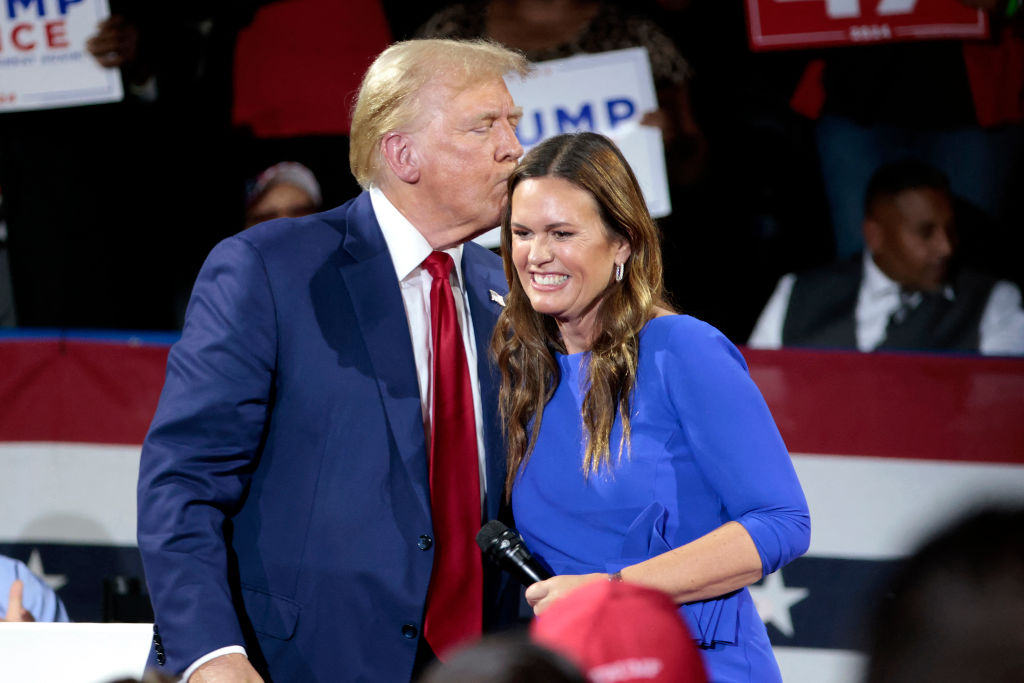
Arkansas: Gov. Sarah Huckabee Sanders (R)
Sanders should defeat Democratic state Sen. Fredrick Love to win another term in deep-red Arkansas.
South Dakota: Gov. Larry Rhoden (R)
Rhoden – who rose to governor when Kristi Noem became President Donald Trump’s secretary of homeland security – defeated businessman Toby Doeden in a July runoff for the GOP nomination. He shouldn’t have a problem defeating the Democratic nominee, former state lawmaker Dan Ahlers.
Tennessee: Open seat (Republican Gov. Bill Lee is term-limited)
Republican U.S. Sen. Marsha Blackburn won a closer-than-expected primary against U.S. Rep. John Rose, but she is on track to defeat the Democratic nominee, Memphis City Council member Jerri Green.
Idaho: Gov. Brad Little (R)
Little, a pragmatic Republican by Idaho standards, faces Boise attorney Terri Pickens, the Democratic nominee. John Stegner – a retired state Supreme Court justice – offers an interesting option as an independent candidate, but will likely divide the anti-Little vote to solidify the incumbent’s reelection chances.
Alabama: Open seat (Republican Gov. Kay Ivey is term-limited)
In solidly red Alabama, Republican U.S. Sen. Tommy Tuberville is the favorite over former U.S. Sen. Doug Jones, a Democrat. Jones could get energized support from Black voters in a blue midterm. But it will be an uphill battle.
Read more Cash to Card: The Transformation of American Spending
Oklahoma: Open seat (Republican Gov. Kevin Stitt is term-limited)
Former state Sen. Mike Mazzei, who won a hotly contested Republican primary runoff, faces state House Minority Leader Cyndi Munson. Munson was first elected to the House by ousting a Republican, but Oklahoma’s deep-red shade poses a huge obstacle.
South Carolina: Open seat (Republican Gov. Henry McMaster is term-limited)
Alan Wilson, the state’s Republican attorney general, is favored over Democratic state Rep. Jermaine Johnson.
Likely Republican (2 races)
New Hampshire: Gov. Kelly Ayotte (R)
As a Republican leading a blue state, Ayotte boasts decent approval ratings and hasn’t always been in lockstep with the Trump administration. Cinde Warmington, the Democratic nominee, is a former member of the state’s Executive Council who launched a failed bid for the governorship in 2024. Ayotte’s record in office should allow her to survive a strongly blue environment in 2026.
Nebraska: Gov. Jim Pillen (R)
Former state legislator Lynne Walz is challenging Pillen and has previously won as a Democrat in a district heavily carried by Trump. The presence of former state Sen. Brent Lindstrom as an America First party candidate could drain a few points from Pillen. This remains a tough race for a Democrat, but it’s trending a bit in the party’s direction.
Lean Republican (4 races)
Texas: Gov. Greg Abbott (R)
Texas’ gubernatorial contest hasn’t attracted the same level of media attention as its frenzied U.S. Senate race, but polls suggest it’s becoming more competitive than initially thought. Abbott has consistently been reelected in red Texas, and he has lots of money. His opponent is state Rep. Gina Hinojosa, who has represented a legislative district in one of Texas’ most liberal counties (Travis). It’s hugely expensive for a lesser-known candidate to increase name identification in the Lone Star State, but while the governorship is less likely to go blue than the Senate seat, it’s worth watching.
Vermont: Gov. Phil Scott (R)
Scott has repeatedly won the governorship in blue Vermont despite his party label, thanks to his moderate positions. His main challenger, Democrat Amanda Janoo, is a political newcomer who faces an uphill race given Scott’s stature, but she may be benefiting from a blue wave. A mid-September University of New Hampshire Survey Center poll had Janoo and Scott in a statistical tie, though a Vermont Public poll around the same time put Scott up by 10.
Kansas: Open seat (Democratic Gov. Laura Kelly is term-limited)
Republican state Senate President Ty Masterson faces Democratic state Sen. Cindy Holscher. The contest is competitive (as is the state’s Senate race) but given Kansas’ red hue and the barrage of negative ads Holscher is facing, the GOP retains an edge in its bid to flip the seat .
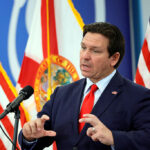
Florida: Open seat (Republican Gov. Ron DeSantis is term-limited)
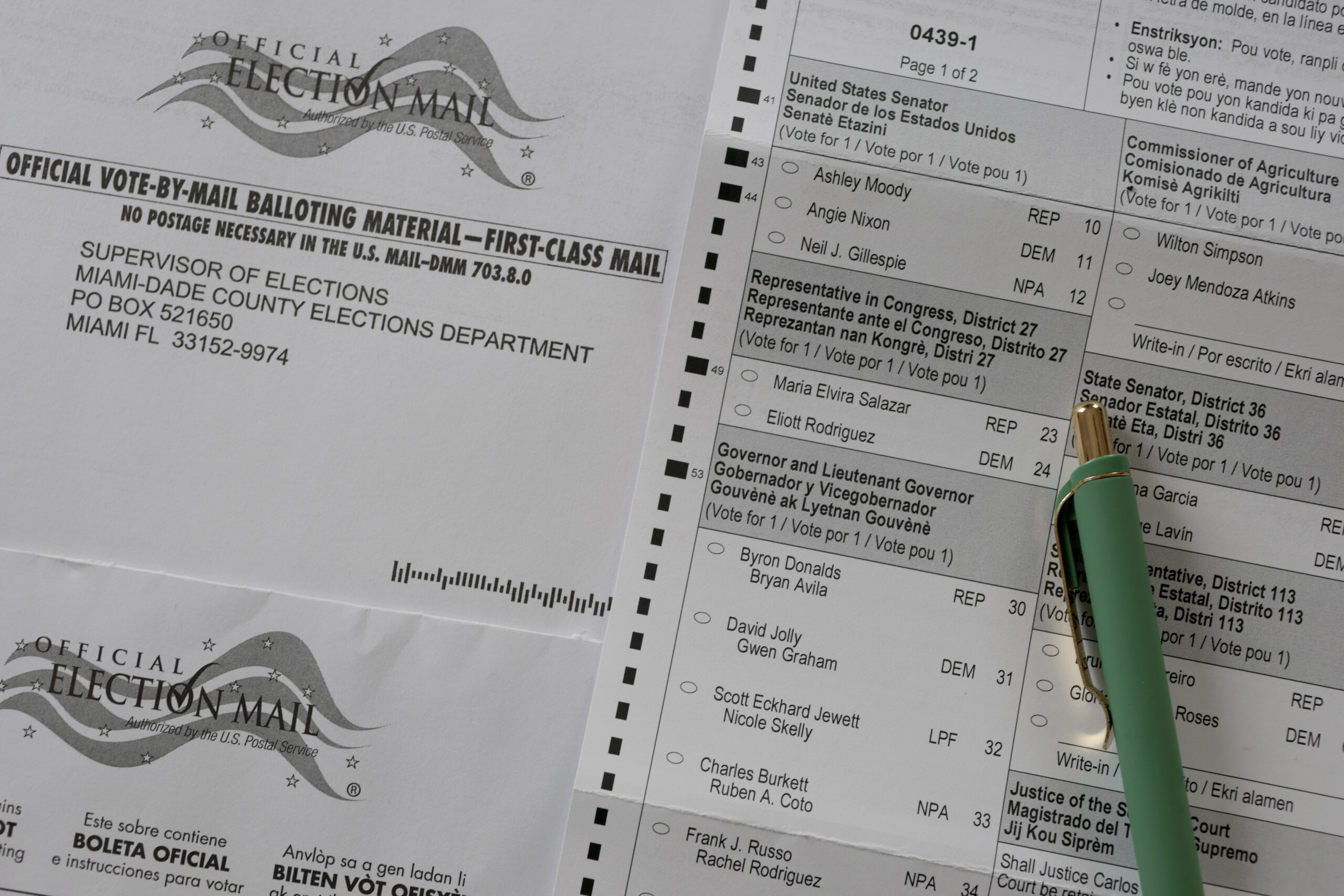
U.S. Rep. Byron Donalds, backed by Trump, won the GOP primary and retains the advantage for November. But Republican-turned-Democratic former Rep. David Jolly is keeping the race close, despite the state Democratic Party’s 1.5 million-person-plus deficit in voter registration. Jolly will need to depend on a blue wave to win – which due to continuing affordability concerns, looks less far-fetched than it did a few months ago.
Read more Rating the 2026 Governor Races: The Toss-Up States