







President Donald Trump is leaving more than just a paper trail from his tenure.
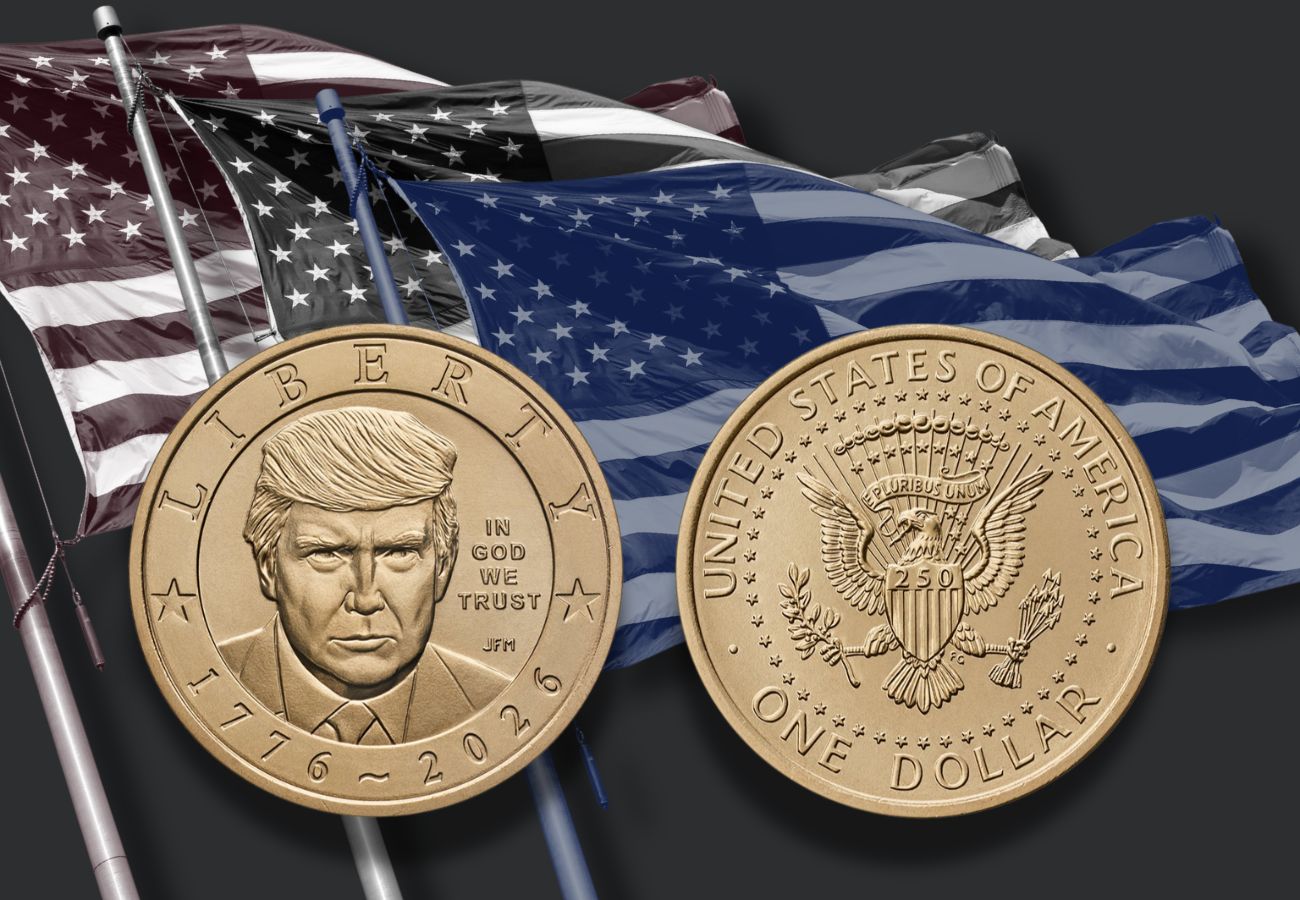
The U.S. is now minting and circulating commemorative coins for America’s 250th anniversary featuring a portrait of Trump on one side, following Treasury Secretary Scott Bessent’s announcement of the coin in July.
Read more Cyclosporiasis Cases in Michigan Climb to Over 14,700, State Health Officials Say
“These coins are also in circulation, so check your pocket change,” the U.S. Mint wrote in a social media post.
The coins are legal tender, although those available for purchase from the U.S. Mint website “have circulating finishes but have never been placed into circulation,” according to the website. The coin is available in a 25-coin roll for $61 or a 100-coin bag for just over $154.
But the decision to put a sitting president on the coin has raised legal questions because federal law generally restricts living presidents from appearing on $1 coins.
Bessent said in a July social media post that the coin “celebrates the strength of American values.”
Trump’s name or image have increasingly appeared on government documents and proposals, from a proposed $250 bill to commemorative passports. The Treasury Department announced in March that Trump’s signature would replace the U.S. treasurer’s signature on newly minted bills. Here’s what you need to know about Trump’s coin.
What Is the Trump Coin?
Not to be confused with Trump’s crypto-based meme coin, the gold-colored dollar coin featuring Trump’s face is being minted as part of broader 250th anniversary celebrations. The Trump administration has been periodically floating design ideas for a U.S. coin featuring the president since 2025.
The coin is only the second U.S. coin in history to depict a living president. Trump appeared to have little involvement with the conception or creation of the coin, telling Fox News he was “honored” by the gesture and calling the design “cute.”
Is Trump’s Coin Legal?
Federal law has long restricted the appearance of living people on U.S. money, but the rules differ depending on the type of currency.
After Treasury official Spencer Clark printed his own face on paper bills instead of famous explorer William Clark, an 1866 federal law prohibited the use of living subjects on paper currency. The Presidential $1 Coin Act of 2005 established specifically that living presidents – or presidents dead for less than two years – could not appear on $1 coins.
That doesn’t mean it hasn’t happened. In 1926, President Calvin Coolidge appeared on a commemorative half-dollar sold at a Philadelphia exposition for America’s 150th anniversary. The coin didn’t appear to stir up much public demand; of the 1 million minted, over 850,000 were melted down after the exposition.
The Trump coin is being issued under separate Congressional authority granted for coins marking the nation’s 250th anniversary.
What Does Trump’s Coin Look Like?
The design for the 250th anniversary coin went through a review process that included the U.S. Commission of Fine Arts.
The final design is a scaled-back version of earlier proposals for a 24-karat gold coin. One design from October 2025 displayed a classic side profile of Trump, while the back showed him standing in front of an American flag with a raised fist, emblazoned with the words “FIGHT, FIGHT, FIGHT.”
Another design from earlier this year depicted Trump leaning against the Oval Office’s Resolute Desk. The Commission of Fine Arts urged that the coin be “as large as possible.”
Why Does the U.S. Avoid Living People on Currency?
Throughout history, the decision by living leaders to depict their own likeness on currency has often been associated with monarchies and imperial regimes, Alan Stahl, a retired curator of numismatics (the study of coins) from Princeton University, says.
“It would be interpreted as personal rule rather than rule on behalf of the people,” Stahl said. “It would be interpreted as the rule of an individual and a sign of monarchy.”
Beyond formal laws, the United States has historically rejected placing living figures on currency out of concern for democratic ideals. Stahl says the precedent dates back to George Washington’s refusal to appear on coins during his presidency.
“Washington adamantly refused and said it would be a sign of tyranny if he allowed his image to go on the coins while he was president,” Stahl said. “Not only did his images not go on the coins … it wasn’t until 1909 when Lincoln’s image went on the penny that a human being ever went on U.S. coins.”
Read more New York Fashion Week Leans Into American Legacy Brand Revival