





Progressives notched their most impressive victory of the primary season, as voters rejected an establishment Democrat in a critical race to determine the party’s Senate candidate from Michigan.
Read more Soccer-FIFA Governance Debate Set to Outlive Morocco Truce Despite Backing for Infantino
A fracture within the Democratic Party has propelled insurgents to victory in primary elections in progressive strongholds like Washington state and New York. But Tuesday’s elections saw left-wing candidates emerge victorious in Michigan – a battleground state that has long been more inclined toward centrist candidates.
While progressives appear to increasingly be setting the Democratic agenda, it remains to be seen how the far-left wing of the party will fare in general elections against Republicans, who are overwhelmingly nominating candidates backed by President Donald Trump into critical congressional races with control of the House and Senate at stake.
Here are some of the key results from Tuesday’s contests:
Progressive Gains in Michigan
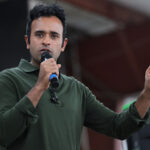
Progressive candidate Abdul El-Sayed won the Michigan Democratic primary for Senate in a bruising race that remained unconfirmed until Wednesday morning. El-Sayed remained within a razor-thin margin of Rep. Haley Stevens, ultimately winning by less than 20,000 votes despite some polling that showed him with a comfortable lead.
The race became a flashpoint in the civil war among Democrats, as national party leaders split on endorsements and the two opponents traded insults on social media. Notably, the race turned on the issue of U.S. support for Israel, an issue that has riven the party in general.
El-Sayed’s win in a swing state that voted for President Donald Trump in 2016 and 2024 reflects broad dissatisfaction among many Democrats that the party isn’t doing enough to counter Trump and need fresh faces and ideas.
But a significant subset of Democratic voters think the party should be building toward the middle, working to underpin its mainstream support. And while El-Sayed’s victory is a significant win, it remains to be seen whether the candidate can build the coalition he will need facing an uphill battle against Republican former Rep. Mike Rogers in November.
Elsewhere in the state, progressive candidate William Lawrence prevailed against two moderate Democrats in the race for Michigan’s 7th District. Candidates Matt Maasdam and Bridget Brink appeared to split the majority of votes, creating a path to victory for Lawrence. A cofounder of the environmental group Sunrise Movement, Lawrence will face first-term incumbent Rep. Tom Barrett.
And in the 13th District, incumbent Rep. Shri Thanedar was unable to fend off progressive challenger Donavan McKinney. A state representative and member of the Democratic Socialists of America, McKinney received high-profile endorsements from leading congressional voices like independent Sen. Bernie Sanders of Vermont.
Read more US Refunds $100 Billion in Tariffs Struck Down by Supreme Court, Filing Shows
Outside Spending Wins and Loses
Funding sources were a hot topic in the primaries as several leading candidates received millions of dollars from the American Israel Public Affairs Committee, or AIPAC. The super PAC’s image has soured with some voters amid growing discontent over Israel’s ongoing military campaign in Gaza. Stevens received over $30 million in AIPAC funding for her campaign in the Michigan Senate primary, making up over half of the organization’s total campaign funding this year and becoming progressives’ most successful attacking point in the race.
But AIPAC held strong in other contests. In a race echoing the 2024 primaries, Missouri Rep. Wesley Bell won handily over former Rep. Cori Bush, who was attempting to retake her former seat. AIPAC spent over $8 million in 2024 in a successful bid to unseat the progressive Bush, one of the most fervent congressional critics of Israel. The super PAC spent just over $3 million this cycle to keep Bell in office.
Trump’s Endorsements Hold
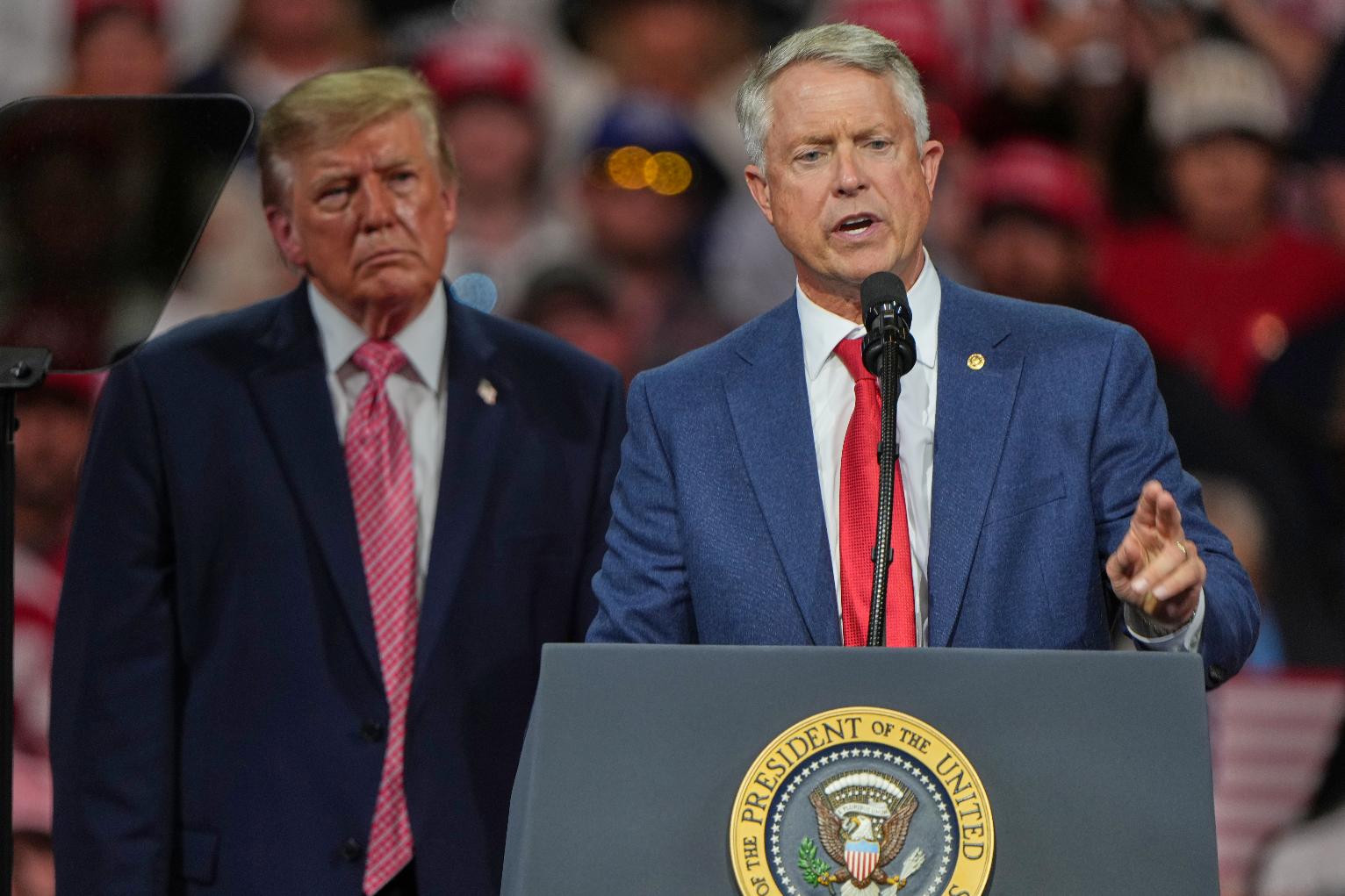
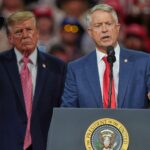
Where progressives were tested in Democratic primaries, Trump-backed candidates were tested in Republican ones. Kansas state Senate President Ty Masterson won the Republican nomination for governor, beating out self-funded opponent Philip Sarnecki with the help of Trump’s endorsement.
In a more unconventional bid for the Kansas Senate seat, Republican underdog Arch Naramore lost by a wide margin to Trump-endorsed incumbent Sen. Roger Marshall.
Republican Ballot Measures Fail
Voters in Kansas rejected a statewide measure to directly elect state Supreme Court justices with over 60% of the vote. Justices have dealt various blows to Republican legislators in recent years, most notably ruling abortion rights are protected under the state constitution. That decision was a central driver behind the measure’s appearance on the ballot.
“This is about abortion,” Kansas Democratic Party Chair Jeanna Repass said in an interview with NBC News. “Plain and simple.”
In Missouri, voters soundly rejected a GOP-led ballot measure that would have clamped down on citizen-sponsored constitutional amendments. Less than 20% of voters approved requiring a voting majority in every congressional district to pass amendments. Current law requires just a simple majority. Past voter-approved amendments include legalizing marijuana and raising the minimum wage. The measure would have given Missouri the strictest threshold for citizen amendments among the 18 states that allow them.
Read more Trump’s Tech Ties Blamed for AI Inaction by MAGA Republicans and Democrats