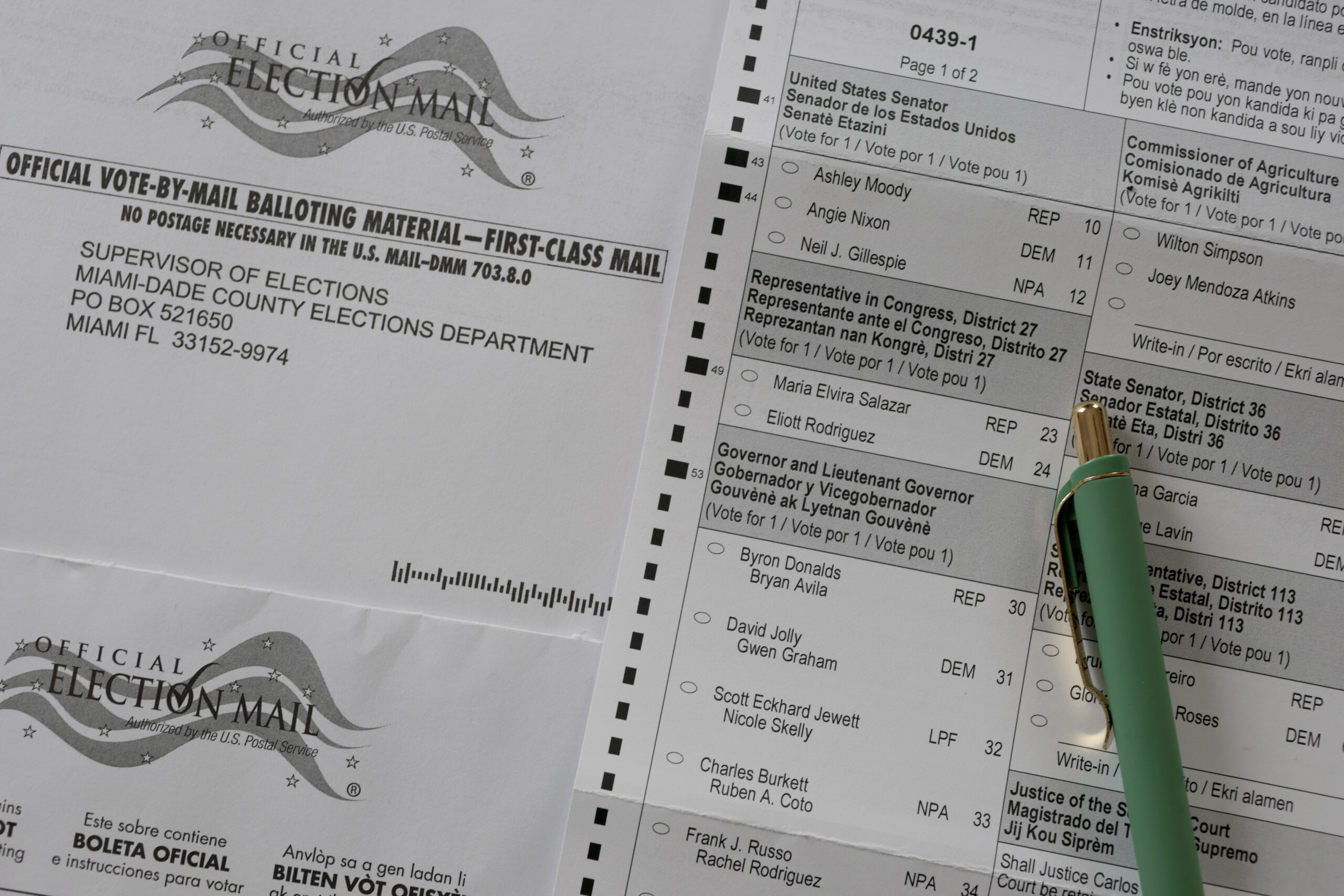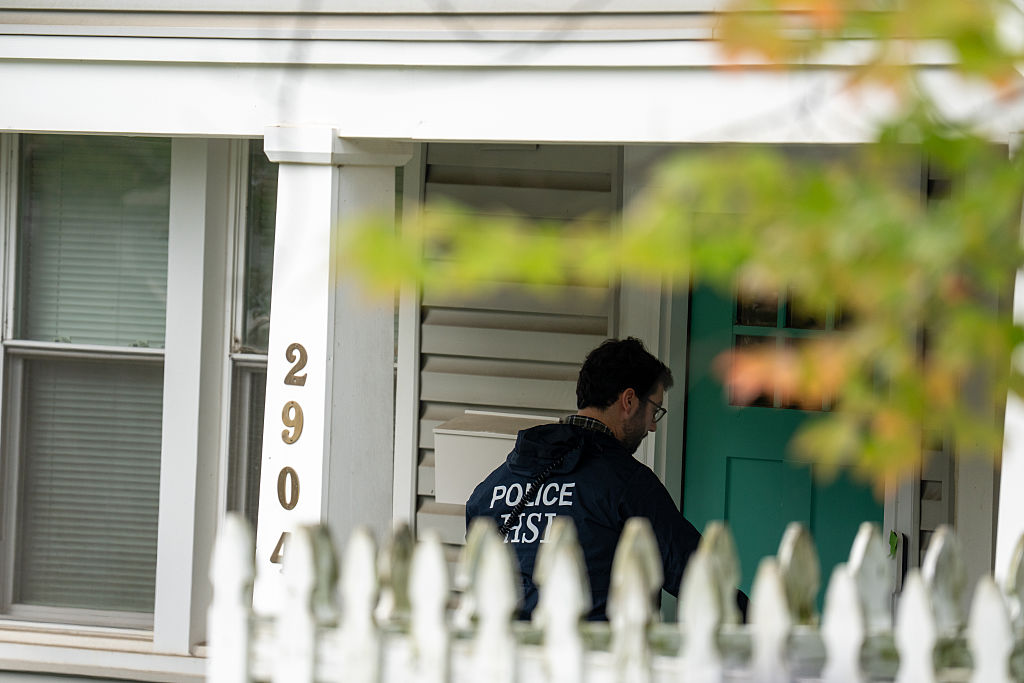






The Supreme Court on Friday allowed the Trump administration to move forward – for now – with a system that uses federal data to help states identify people on their voter rolls who may not be eligible to vote.
Read more Trump Confirms Meeting With Anthropic’s Amodei, Repeats Dismissal of AI Fears
The emergency ruling lifts restrictions imposed by a lower court on the administration’s revamped Systematic Alien Verification for Entitlements, or SAVE, database. The system has been expanded to connect Department of Homeland Security immigration records with Social Security Administration data, which contains information on most Americans.
The decision comes less than six weeks before the Nov. 3 midterm elections and as the administration increases its efforts to identify potential noncitizen voters. Noncitizens are already prohibited from voting in federal elections.
What Does the Supreme Court Ruling Allow?
The ruling allows the federal government to use the expanded SAVE system and allows states to use it to help verify the citizenship status of people registered to vote.
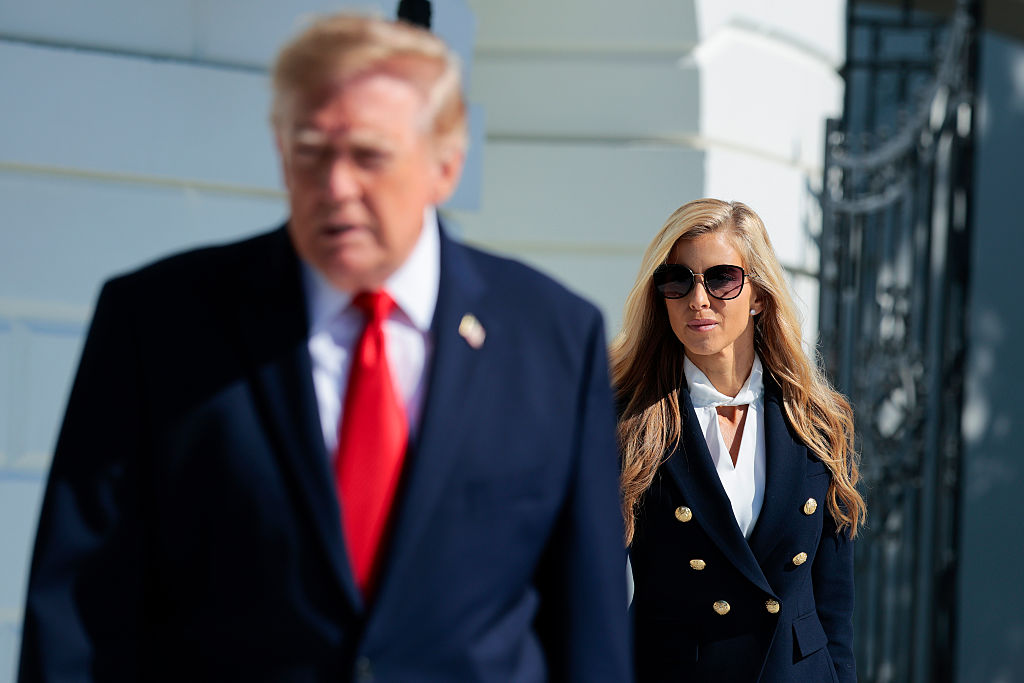
The administration has argued that connecting the databases will make it easier to identify ineligible voters and help states maintain accurate voter rolls. President Donald Trump ordered the creation of state citizenship lists in an executive order issued in March.
The Supreme Court’s action is an interim measure while the broader legal case continues. The court’s unsigned order didn’t resolve whether the administration’s use of the Social Security information ultimately complies with federal privacy and Social Security laws.
Why Are Election Officials Concerned About False Matches?
A central issue is what happens when government databases incorrectly identify an eligible voter as a potential noncitizen.
The expanded system has already produced errors. In Travis County, Texas, officials reviewed 97 voters flagged by SAVE and found that at least 10% – and potentially as many as 21% – were U.S. citizens.
That means appearing on a list generated by the database doesn’t necessarily establish that someone is ineligible to vote.
Todd Belt, professor of political management at George Washington University, said the limited time before the election also makes widespread removals less likely.
Read more Boston-Bound Delta Flight Makes Emergency Landing in Portugal Due to Smoke in Cabin
“I’m not entirely sure voters will get flagged and removed before Election Day this time around. There’s just not enough time to implement such a large task,” Belt said. “I think this is mostly an attempt to establish the legitimacy of the claim that there are a lot of individuals potentially voting illegally.”
What Could Happen Before the Midterms?
States will determine how to use the information, including what additional steps are required before a voter’s registration is changed or canceled.
Belt said officials should give voters an opportunity to establish their eligibility before taking action.
“The way to balance the goal is to take the process seriously and not to rush it, giving citizens time for due process,” Belt said.
The timing could make that difficult. Elections officials are already operating under deadlines for preparing ballots and voter rolls, while voters who are contacted about their eligibility may need time to provide documentation or correct errors.
Could the Supreme Court Ruling Lead to More Lawsuits?
The answer is likely to depend on how states implement the system and whether voters are removed or otherwise challenged based on the federal data.
The Supreme Court’s decision came after a federal judge ruled in June that the administration’s creation and use of the centralized database violated federal law. An appeals court subsequently declined to pause that ruling, prompting the administration to ask the Supreme Court for emergency relief.
Belt expects the implementation itself could become a source of litigation.
“I think it is likely that any implementation will be haphazard and invite lawsuits from both sides,” Belt said. “I think we are in for a very litigious post-election period.”
For voters, the immediate takeaway is that being flagged by a federal database shouldn’t by itself be understood as proof that someone is ineligible to vote. How states verify the information, notify voters and provide opportunities to correct mistakes will be important as the midterms approach.
Read more Boeing Flags 737 MAX Software Glitch Affecting Landing Navigation Feature, WSJ Reports