







The biggest headlines from this year’s primary season seemed to trumpet races in which centrist incumbents from both major parties were ousted in favor of nominees with more extreme views.
Read more Trump Adviser Sacks Says AI Fears Driven by ‘Fear-Mongering Playbook’
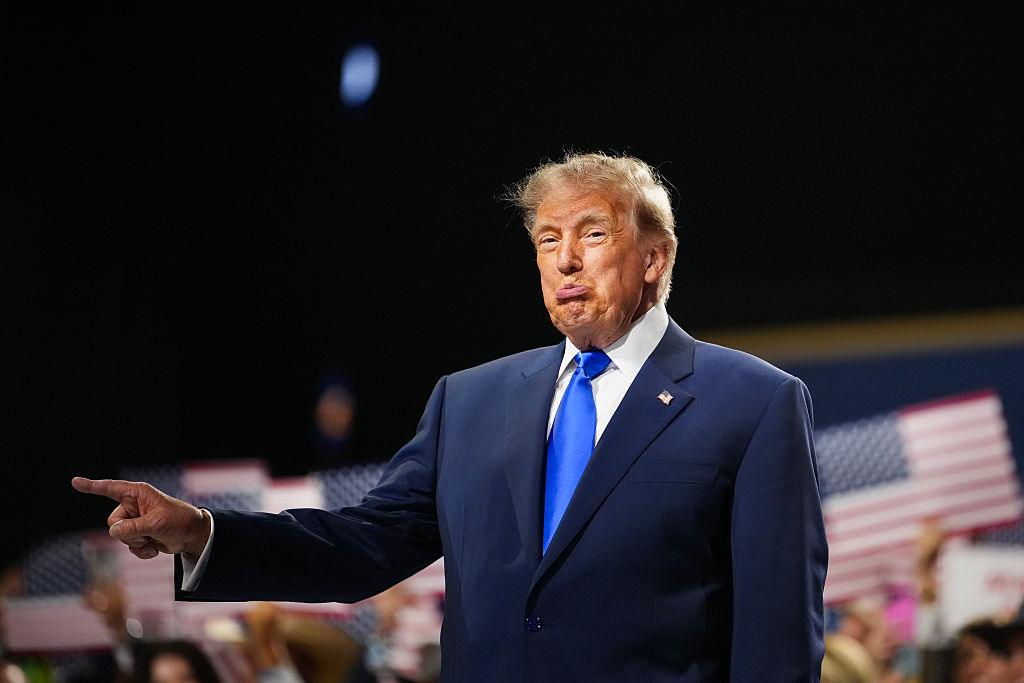
President Donald Trump publicly targeted Republican lawmakers he thinks have not been sufficiently loyal to him for primary challenges. On the other side, progressives displaced more mainstream Democrats who were seen as either too moderate or not stern enough in their resistance to Trump.
But while those narratives drove the news coverage, were they overstated? The number of incumbents ousted this season, while comparatively large, is not extraordinary. And while some see primary turnover as a symptom of greater political polarization and a broad anti-incumbent sentiment, each race is different, and a closer analysis suggests mounting incumbent losses belie any single national trend.
“It seems very idiosyncratic,” Lindsey Cormack, an associate professor of political science at Stevens Institute of Technology and creator of the congressional communications database DCinbox, tells U.S. News. Dynamics differ sharply by party and district, with generational turnover defining some Democratic races, Trump loyalty playing a larger role in Republican contests, and redistricting challenges complicating incumbency across party lines.
“It’s hard to say that there’s some thread that ties these losses together,” Cormack notes.
The Numbers
Eleven House incumbents have lost primary elections this year, putting 2026 among the more difficult cycles for sitting members of Congress in recent decades. The overall loss count for sitting House members is nearly twice the average per election cycle since 1980. It’s the fourth-highest total over that period – the second highest if you take out the election years of 1992 and 2012, when the race for president was at the top of the ticket.
The losses span both parties, with seven Democratic and four Republican incumbents losing their bids for reelection.
Democratic losses have been particularly elevated. The seven Democratic incumbent defeats are tied with 2012 as the highest total since 1992. And though Republican incumbent losses are below the totals recorded in several recent cycles, they are up from 2024.
While a number of challengers have successfully unseated veteran lawmakers in several high-profile races this year, primary defeat remains rare. The 11 incumbents who have lost their primaries are still dwarfed by the 354 incumbents that have won reelection. The resulting 3.0% primary defeat rate for 2026 is above-average but illustrates the continued structural advantages of incumbency.

Democratic Losses Show Some Generational and Ideological Divides
Ideological and generational change overlapped in some of the more striking Democratic defeats. Four sitting members lost to challengers who identified as democratic socialists or had ties to the DSA. But in three of those four races, the challenger was also substantially younger than the incumbent.
Rep. Diana DeGette, Rep. Adriano Espaillat and Rep. Shri Thanedar all lost to younger candidates aligned with the party’s socialist left. The exception was Rep. Dan Goldman, who lost to Brad Lander, a former DSA member who is older than Goldman.
Age also appeared to play a role outside of ideological contests. In Connecticut, 78-year-old Rep. John Larson, who had served in Congress for nearly three decades, lost by more than 20 points to 47-year-old former Hartford Mayor Luke Bronin.
Read more Primary Season Is Over. What Comes Next?
“I think you can make an argument that older members maybe have lost their edge towards younger members,” Cormack says of the Democratic Party.
The other two Democratic losses in Texas were shaped largely by redistricting.
Trump’s Influence Cuts Both Ways in Republican Incumbent Losses
Republican losses are following a different script.
Trump-backed candidates have won the overwhelming majority of Republican primaries this cycle, while the president has also taken a high-profile role in campaigns to unseat members of his own party who have crossed him.
Of the four Republican House incumbents defeated this year, two – Rep. Dan Crenshaw and Rep. Thomas Massie – lost after Trump endorsed their challengers.
Trump took an especially active, aggressive role in the campaign against Massie, an outspoken critic of the president who opposed the war with Iran and voted against Trump’s signature “big, beautiful bill” last year.
“Republicans in Congress are pretty universal in their support for President Trump,” Cormack says, “Thomas Massie is not.” In what became the most expensive House primary race in history, Massie lost his reelection bid for Kentucky’s 4th District to Trump-backed challenger Ed Gallrein.
The other two Republican incumbent defeats cut in the opposite direction.
Despite receiving Trump’s endorsement, Rep. Andy Ogles lost his reelection bid for Tennessee’s 5th District by about 6 percentage points.
Meanwhile, Rep. Cory Mills lost the primary race for Florida’s 7th District to former television anchor Ryan Elijah. The two-term, Trump-endorsed House member lost by roughly 12 percentage points after a scandal-ridden campaign colored by allegations of misconduct and finance violations.
The Republican results illustrate both sides of Trump’s influence over the party. Trump has successfully helped defeat critics who broke with him, while in other races his endorsement has been insufficient to save incumbents weighed down by other political liabilities.
The Role of Redistricting

Some of the historically high-loss years were also complicated by redistricting. The 1992 cycle – a year in which incumbent President George H.W. Bush was voted out in the general election in favor of a younger, fresher face in Bill Clinton – followed the nationwide redrawing of congressional districts after the 1990 census.
Redistricting has contributed to incumbent defeats this year, as some states – led by Texas and California – redrew district lines for political benefit.
Anti-incumbent sentiment will be further tested in November, when control of the House is on the line. Political newcomer Ryan Elijah will now defend Florida’s 7th District for the GOP against Democrat Bale Dalton, while other primary winners will test whether primary upheaval can carry over into general election success.
Read more What Trump Has Tried to Change About the 2026 Election – and What Courts Have Blocked