








Russia’s invasion of Ukraine may have dipped out of the headlines – pushed by competition from inflation, the conflict with Iran and the beginning of America’s midterm election season. But the largest land war in Europe since 1945 is still going on. And it’s been an eventful week.
Read more Trump Administration Wants to Raise North American Auto Content to 82%, With Half From US
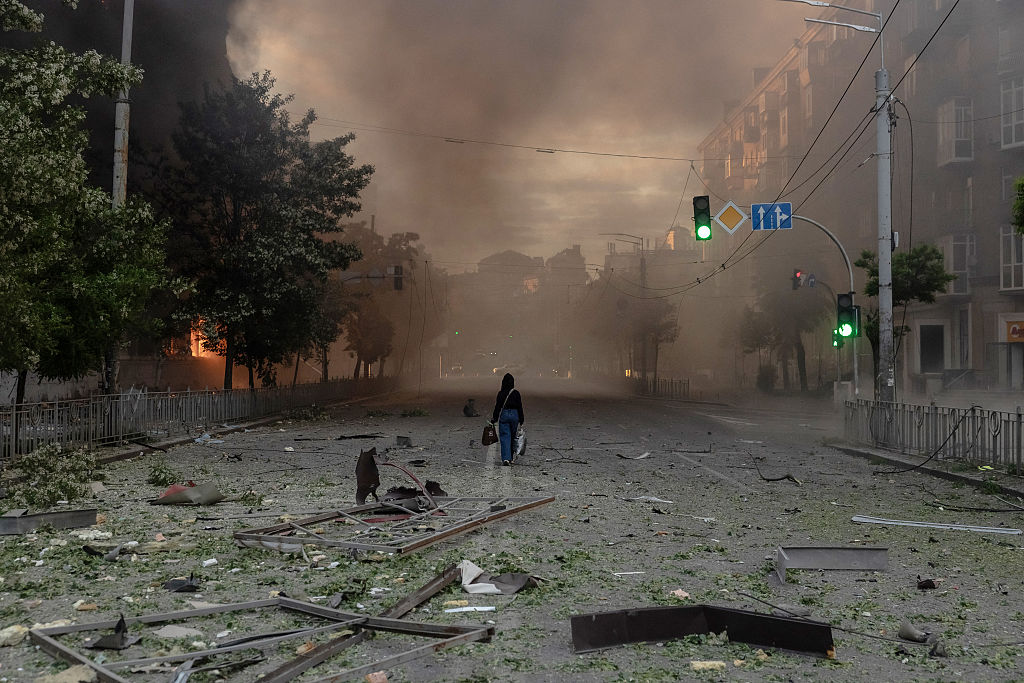
Peace talks have gone nowhere. The front lines aren’t moving much. Russia has been pounding civilian targets, notably in Kyiv. Neither side appears ready to bend in their contest of wills.
But the conflict is evolving despite the battlefield stalemate. Here are four recent developments of note:
Russia Threatens Diplomats
On Monday, Russia’s foreign ministry promised renewed strikes on targets in Kyiv and warned foreign citizens, including international diplomats, “to leave the city as soon as possible.”
Russian Foreign Minister Sergei Lavrov later underlined Moscow’s ominous message in a telephone call with Secretary of State Marco Rubio, citing plans for “systematic and sustained strikes” on “relevant decision-making centers” in Ukraine, the foreign ministry said.
“Lavrov drew his counterpart’s attention to the Foreign Ministry statement of May 25, which advised that the United States and other countries with representative offices in Kiev ensure the evacuation of their diplomatic personnel and other citizens from the capital of Ukraine,” the ministry said in a statement.
After Germany, France, Spain, Poland, the Netherlands, Belgium, Sweden, Estonia and the European Commission summoned Russian ambassadors to protest, Moscow was, if anything, more explicit.
“The EU has said it will maintain its diplomatic presence in Kyiv unchanged, despite Russia’s warnings,” Dmitry Medvedev, deputy chair of the Russian Security Council, said on social media. “Apparently they’ve got diplomats to spare and need to trim the headcount.”
Foreign diplomats based in Kyiv are well aware of the dangers of working in a war zone. But any deliberate targeting of embassy staff would be a major escalation of this conflict.
A Mountain of Russian Dead
One fact has become clear in the Russian offensive, which began in 2014 with the annexation of Crimea and expanded dramatically in 2022: Russian President Vladimir Putin is willing to see his soldiers die. But that notion is being tested like never before. A senior British intelligence official said Wednesday that “almost half a million Russian soldiers have been killed since the conflict began.”
Read more US Travel Group Warns Closing Newark Airport to International Travel Could Cost $8 Billion Annually
The official, Anne Keast-Butler, is director of GCHQ, the British electronic surveillance agency. She did not elaborate. If accurate, that would be the heaviest loss of life for any major world power in a single conflict since World War II.
‘Gray-Zone’ Russian Warfare
One other notable aspect of Keast-Butler’s remarks was her warning that Moscow is increasingly waging a campaign against Europe “in the gray zone between peace and war.”
“Russia is scaling up its daily hybrid activity against the U.K. and Europe, stretching from the seabed to cyberspace – relentlessly targeting critical infrastructure, democratic processes, supply chains and public trust,” she said.
“We’re also disrupting Russia’s attempts to smuggle Western tech, fending off its cyberattacks and countering reckless sabotage and assassination attempts,” she said.
Examples:
On Your Own Against Drones
Four years ago, conventional wisdom held that Ukraine was mounting a plucky, inventive defense against Russian invaders but could hold out only so long. Today, Russia’s government is telling its banks that it’s up to them to defend themselves against Ukrainian drone attacks.
Russia’s parliament has passed a law that permits its central bank and other financial institutions to arm themselves to fend off drone attacks, Reuters reported. The head of the financial committee in Russia’s lower house, the Duma, was quoted as saying the institutions would foot the bill for their drone defense, Reuters said.
On Wednesday, Ukraine struck a Russian central bank office in Crimea with a missile, starting a fire.
Few things better capture the state of the war in 2026 than Russia’s inability to protect its central bank. But this also highlights how the conflict in Ukraine has opened up the future of war, with cheap, easily made drones becoming a weapon of choice, even against superpowers.
Read more Kenyan Court Orders Suspension of US Plan for Ebola Quarantine Facility